PowerGeolab at Goldschmidt 2026

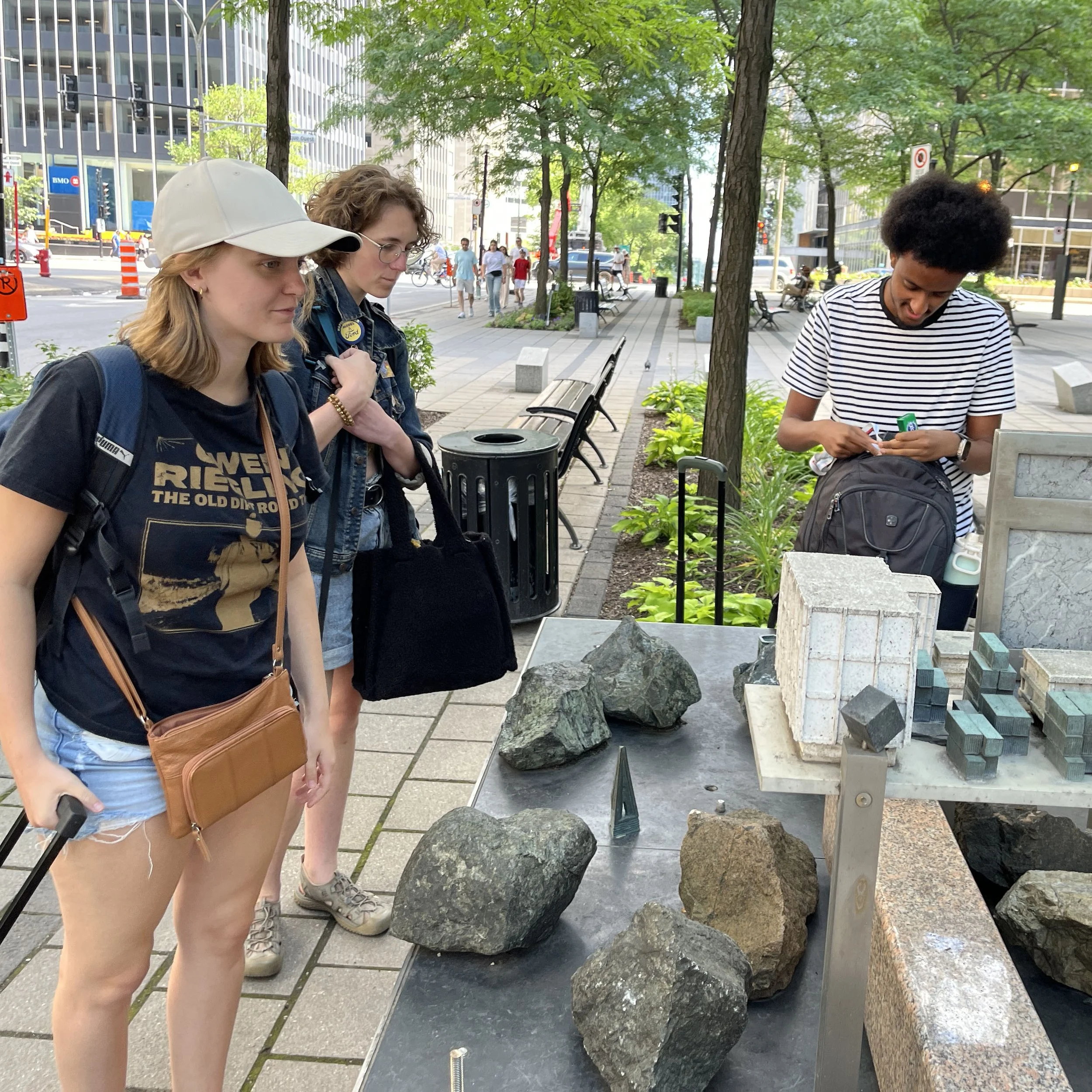
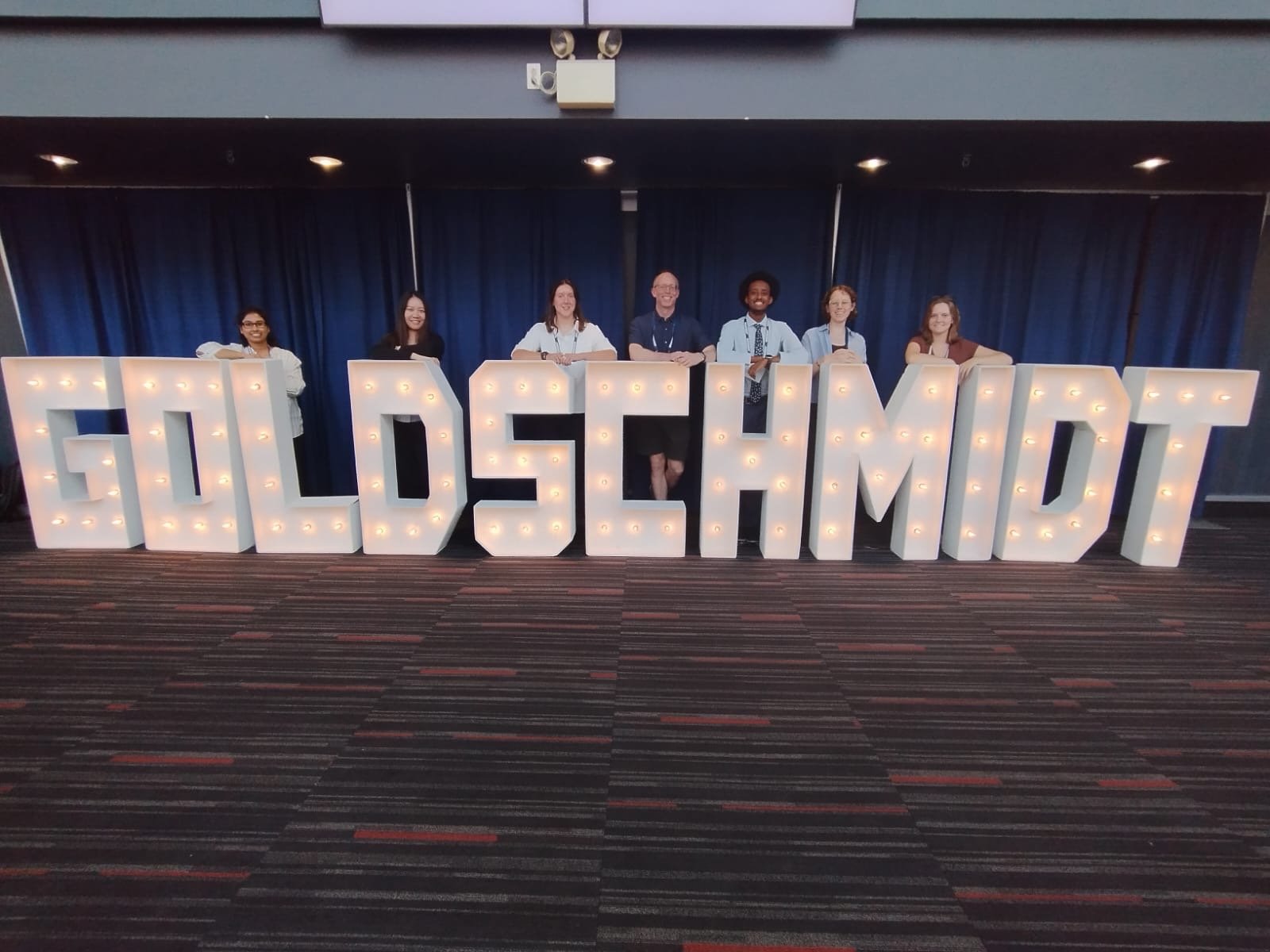
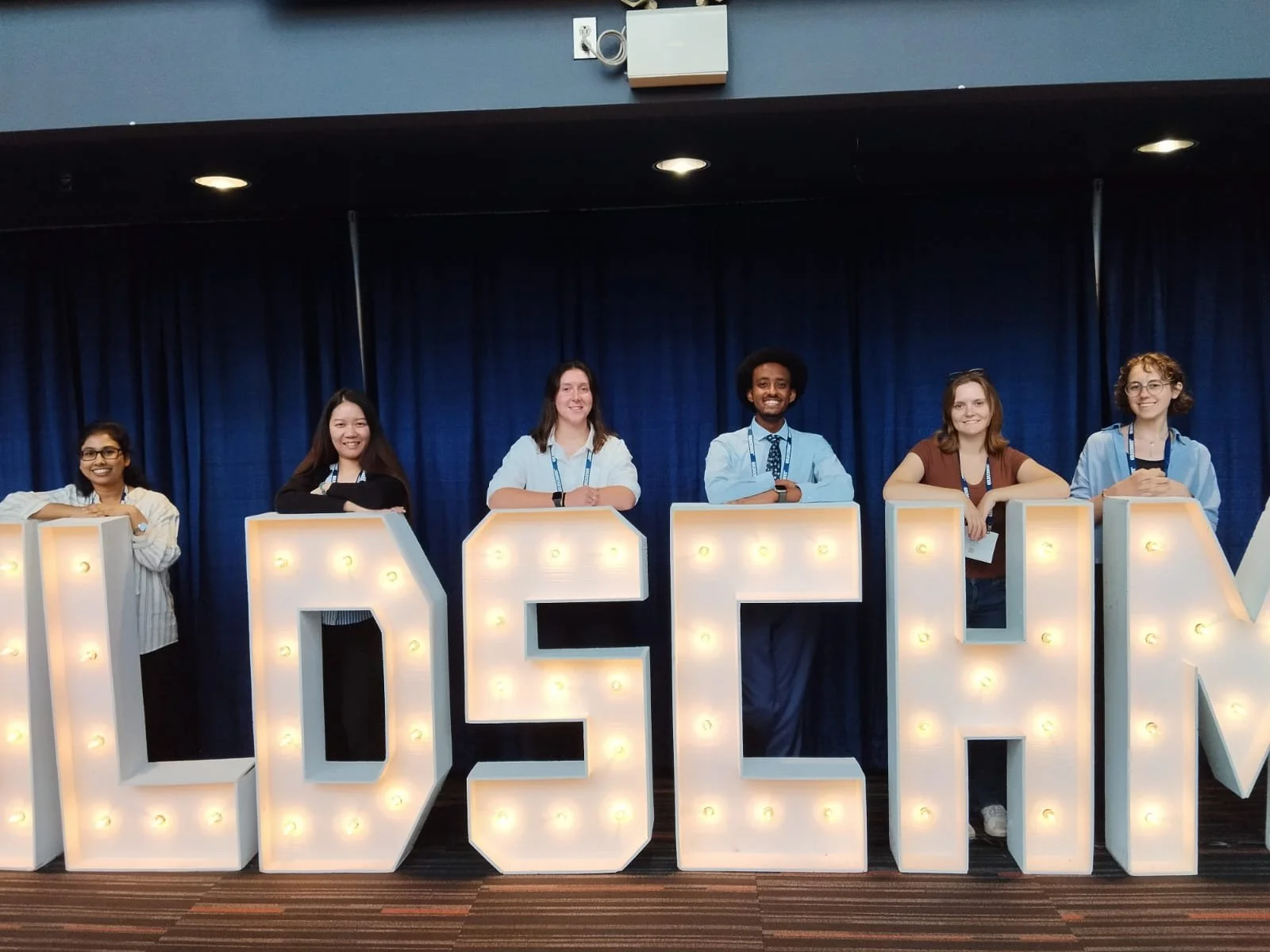
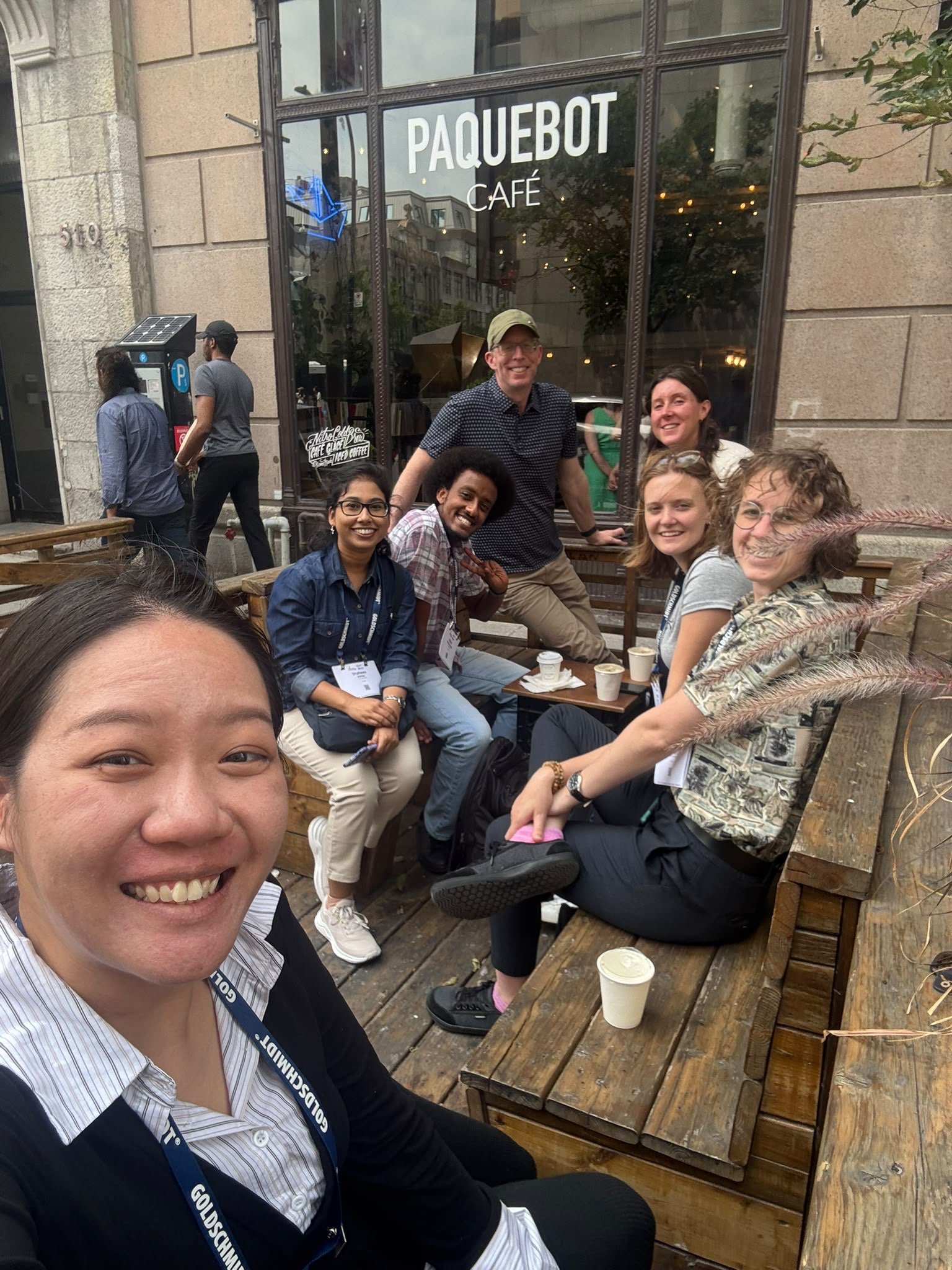
The PowerGeolab attended Goldschmidt 2026 in Montréal! Ian and Minger had a great experience co-chairing the session Enhanced Rock Weathering: from Fundamentals to Applications. The session hosted lots of interesting talks and posters from allies around the world working to develop MRV protocols for validating carbon dioxide removal (CDR) potential in ERW and overcome challenges associated with CDR quantifications while shifting from lab to field applications.

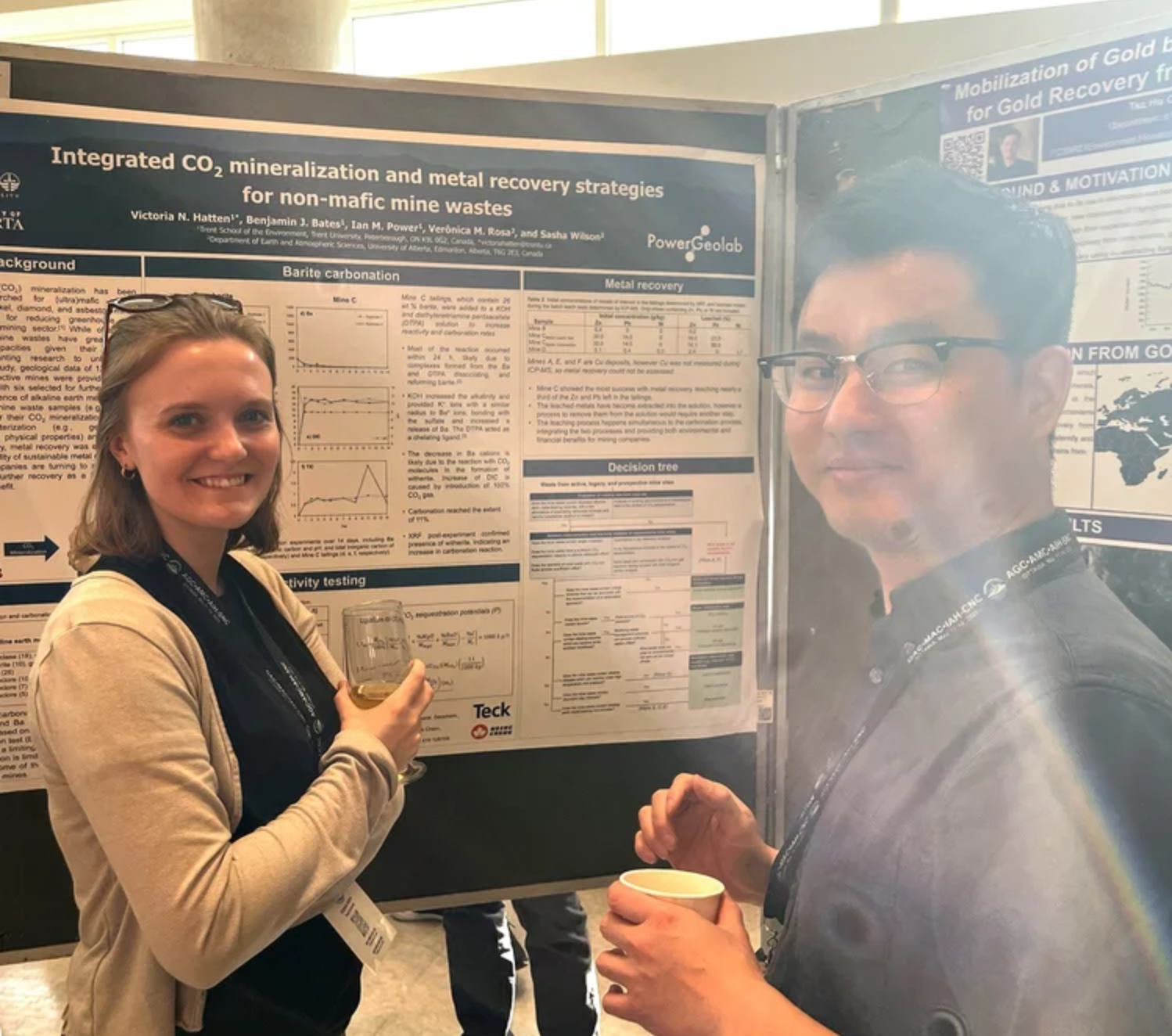
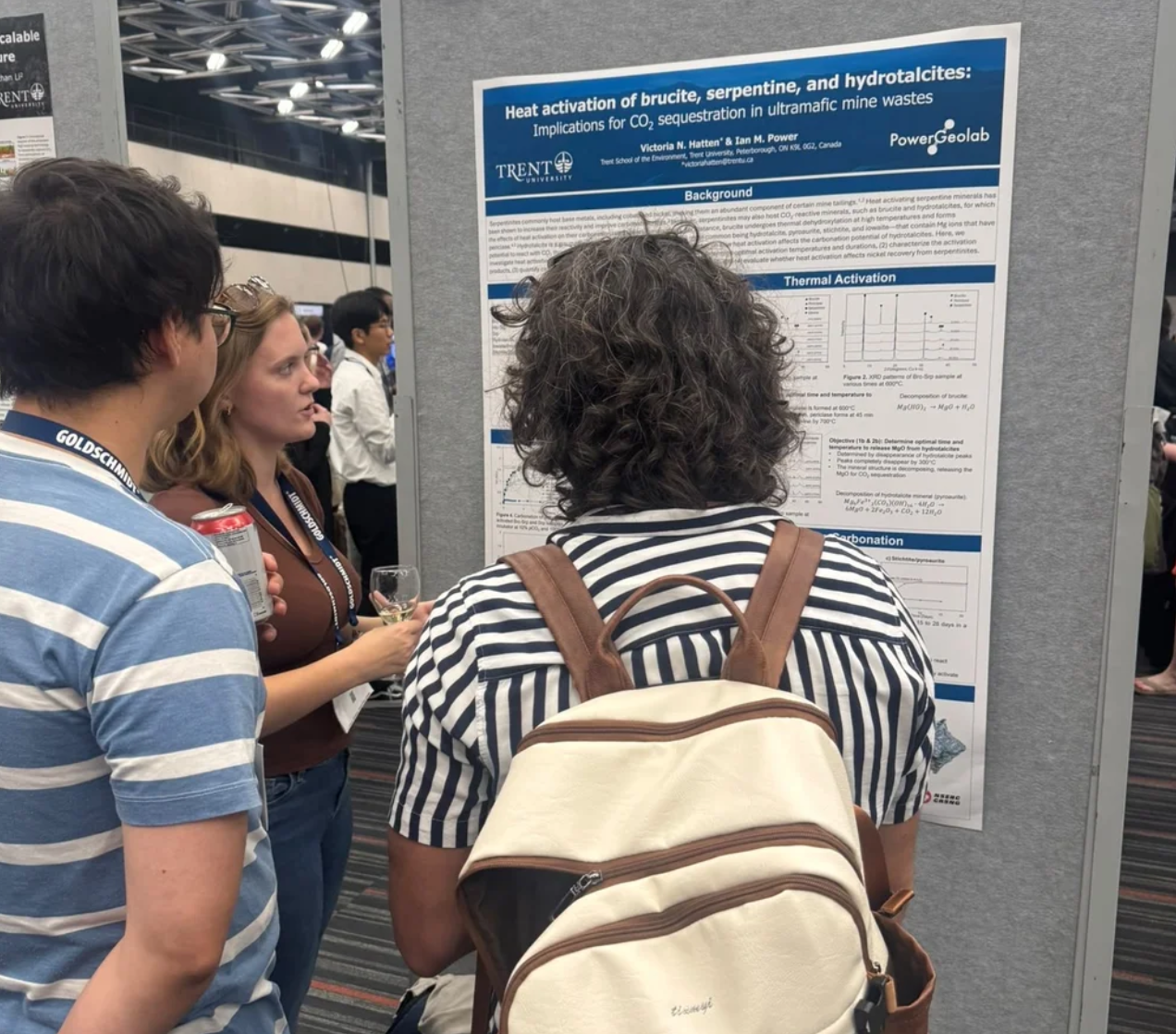
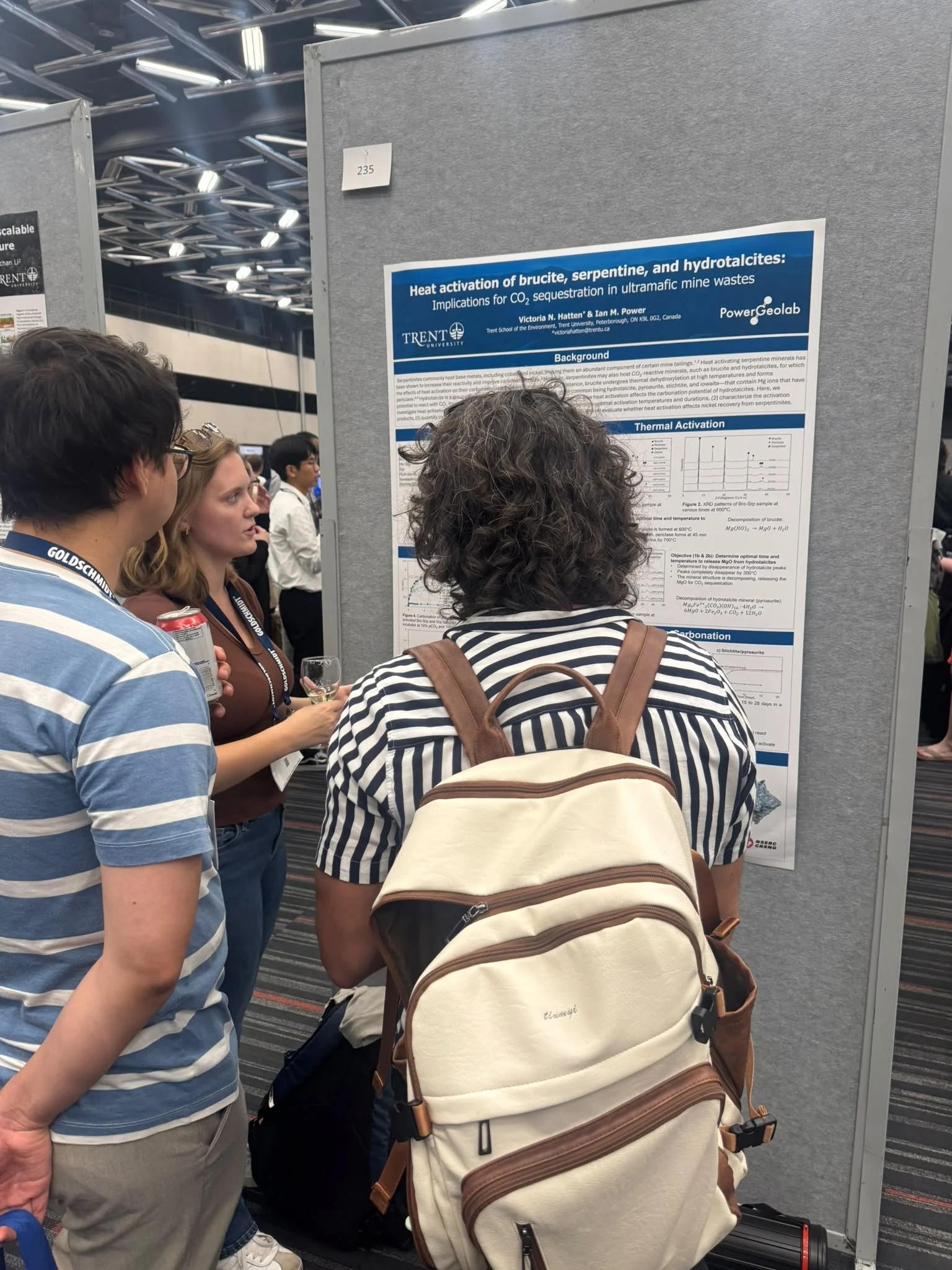
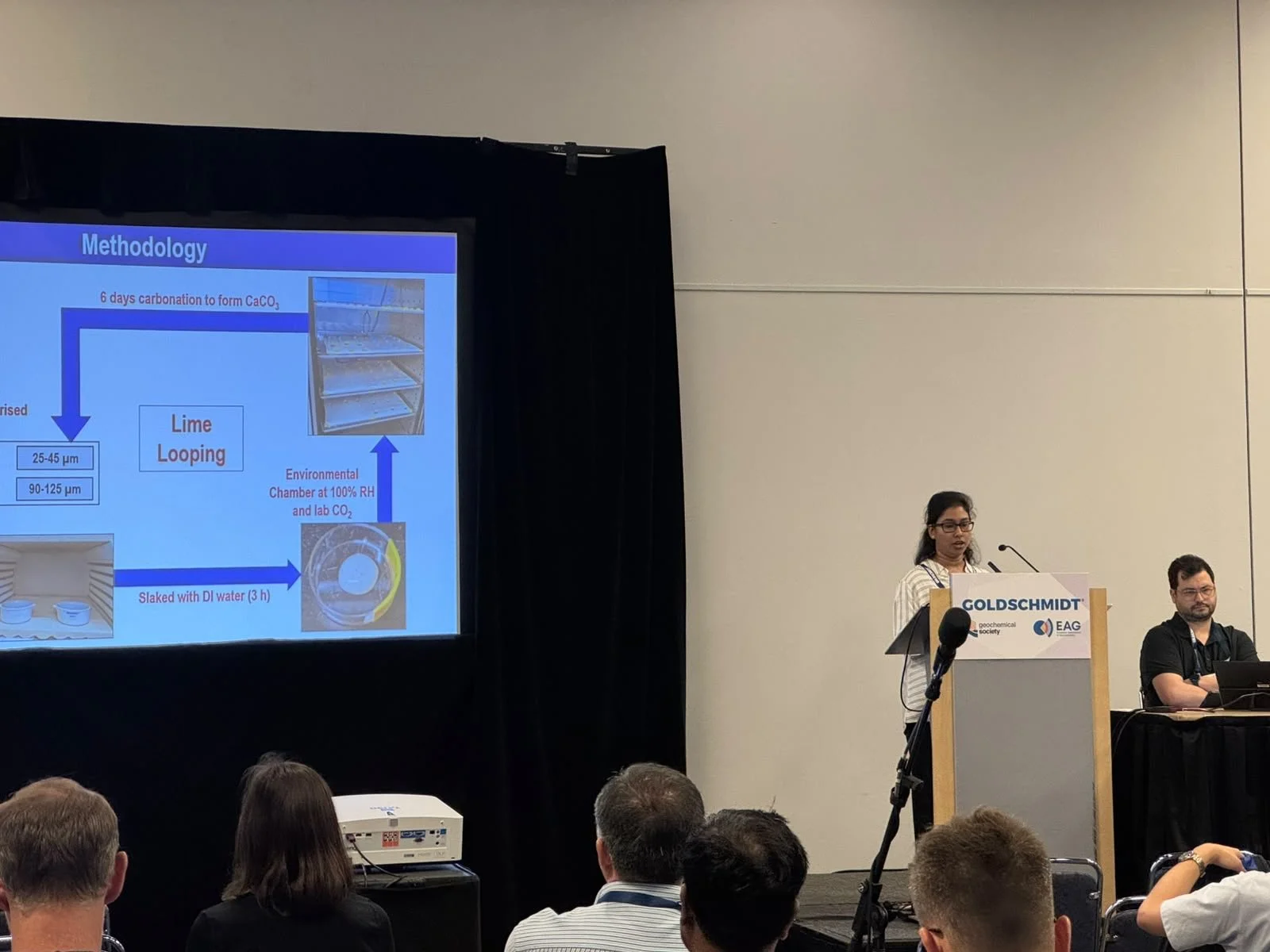
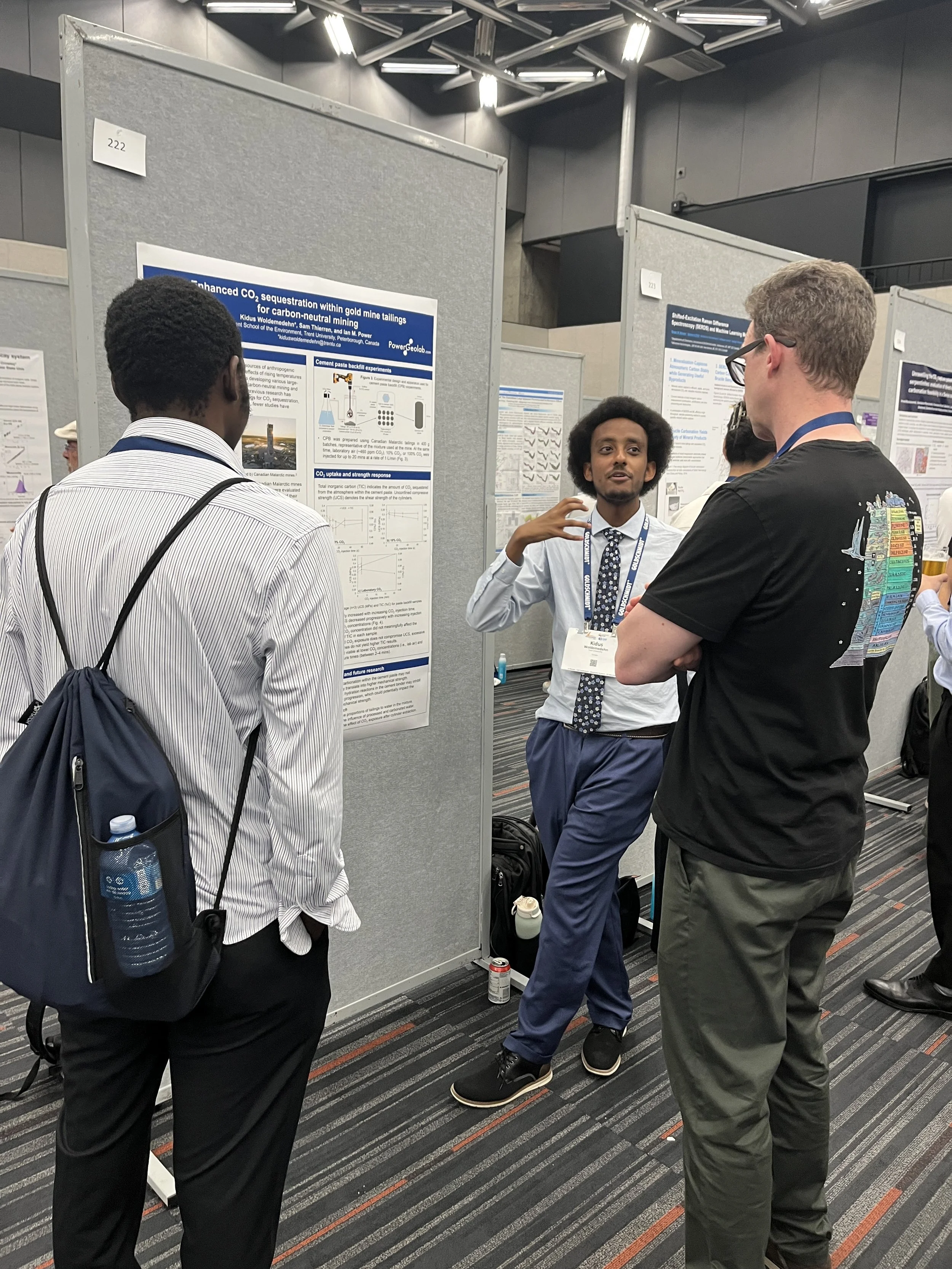
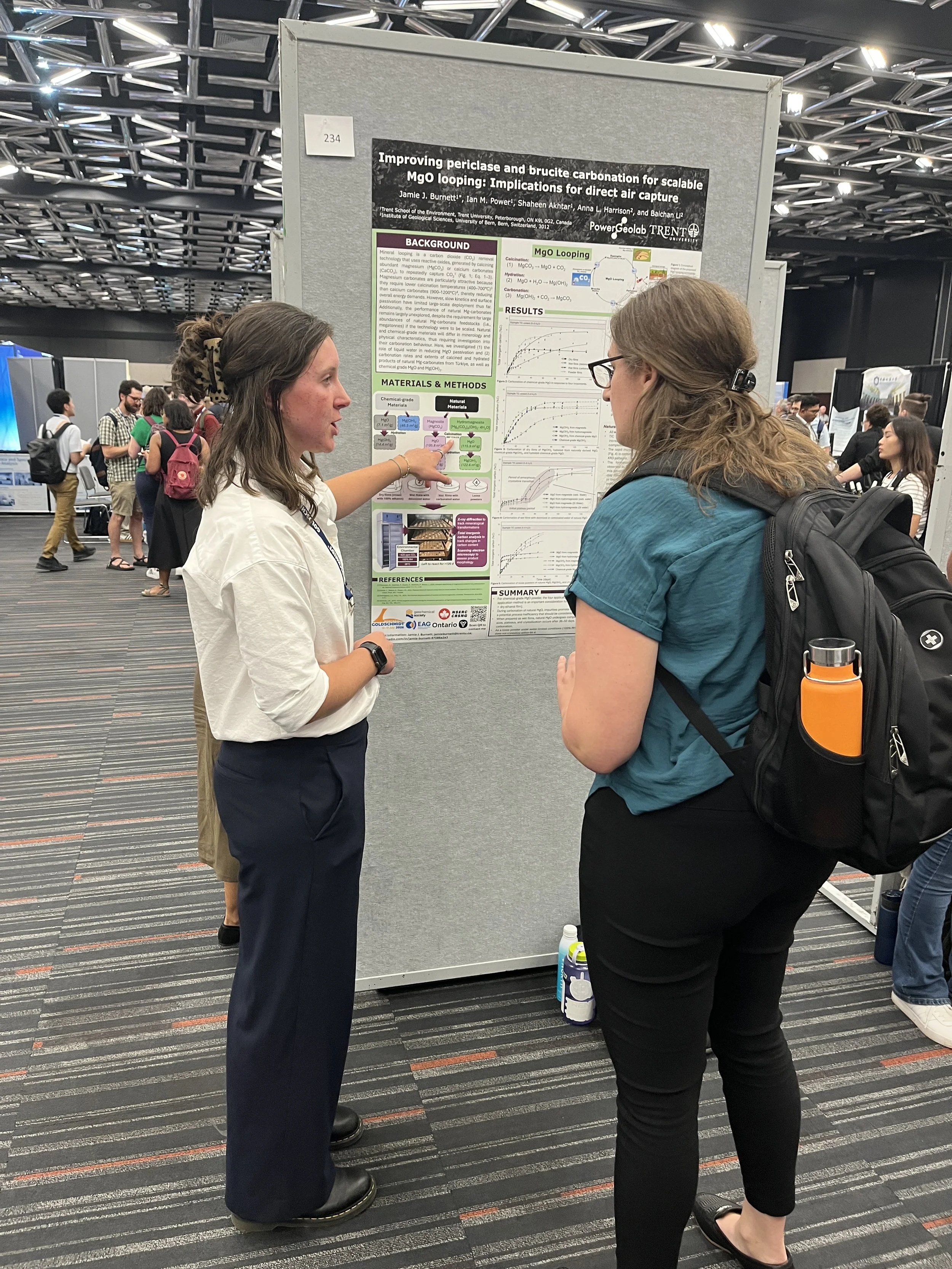
Larissa and Minger presented posters alongside each other (literally!) showcasing their works on laboratory scale and field trials for quantifying CDR following wollastonite skarn application in acidic forest soils. Jamie, Victoria and Kidus had a great time sharing the lab’s ongoing research on accelerating periclase and brucite carbonation, thermal activation of minerals in mine wastes for increased reactivity, and carbon-neutral mining by gold mine waste remediation, all aiming towards improving CO2 capture strategies. Shaheen gave a talk discussing her work on how the use of limestone as feedstock for scaling up lime looping can affect its efficiency as a direct air capture technology.

The lab also attended a workshop on Geochemical Pathways to Carbon Removal in Mining, which was a great way to learn more about the industrial perspective of real-life deployment of CDR technologies as well as to re-connect with former lab member Carlos Paulo.

PowerGeolab at ERW2026

Members of the PowerGeolab travelled to the University of Guelph to participate in ERW2026, where they shared their latest research on enhanced rock weathering (ERW) and carbon dioxide removal. 

Congratulations to Heather, Larissa, Minger, and Victor, who each presented their work during the conference. Their presentations highlighted the breadth of research underway in the lab, from the potential of carbonate amendments for ERW, to microbial controls on mineral weathering, quantifying carbon removal in managed forests, and early ecosystem responses to forest-based wollastonite applications.

It was a great opportunity to exchange ideas with researchers from across Canada and around the world, discuss the latest advances in enhanced rock weathering, and showcase the exciting work being conducted at Trent University.

Congratulations to everyone on their excellent presentations!

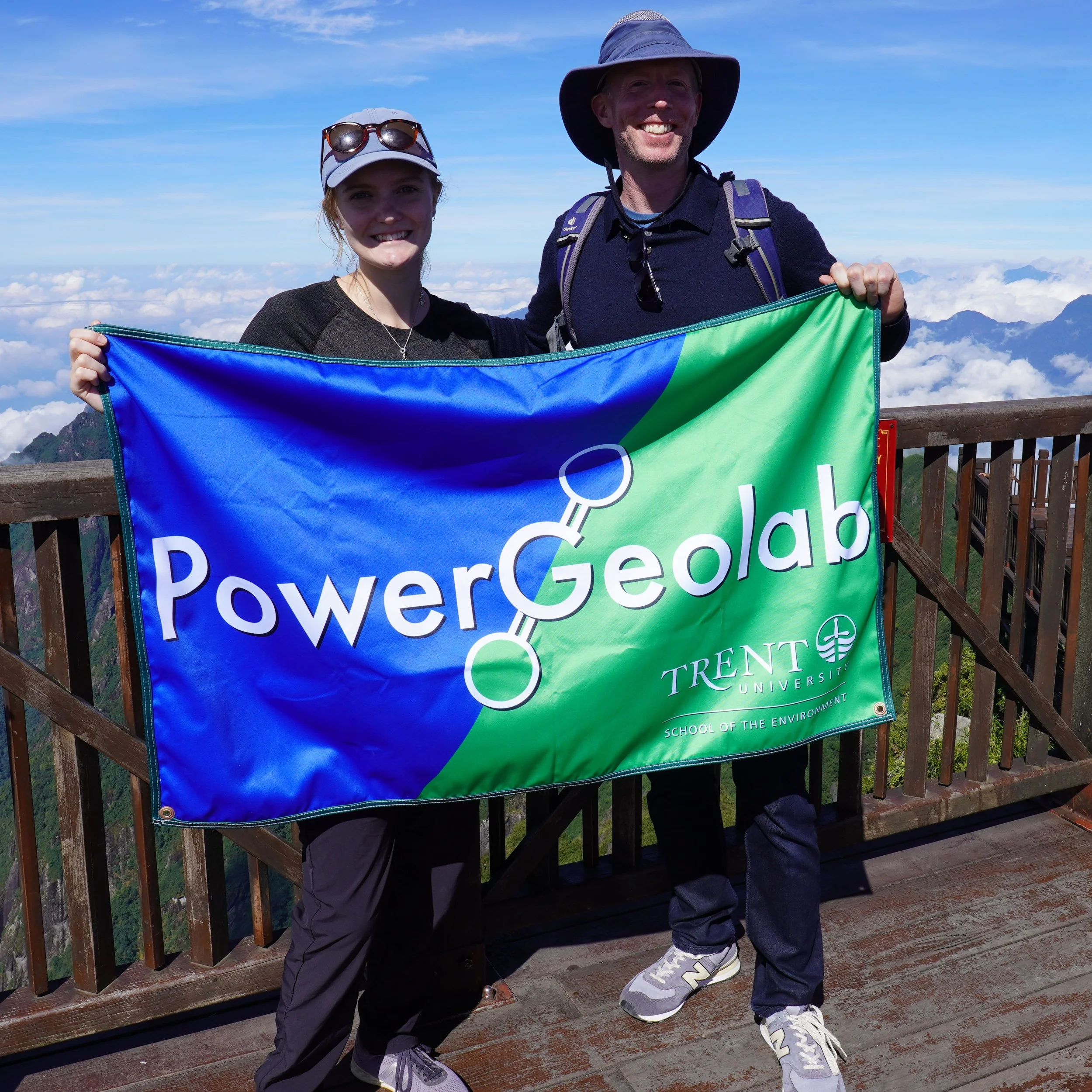
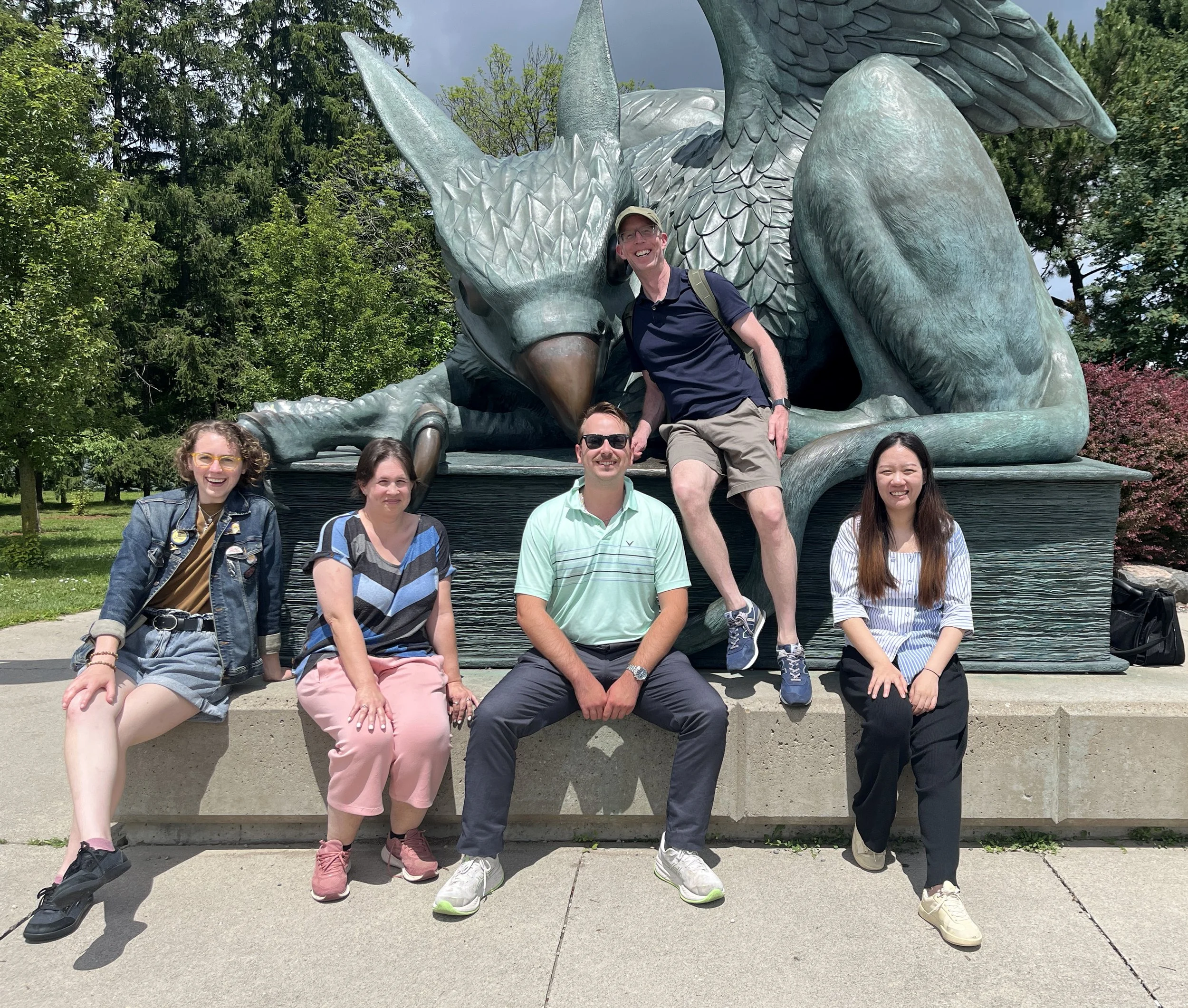
Posing with the Gryphon of the University of Guelph. We still bleed green!

IIES in France!
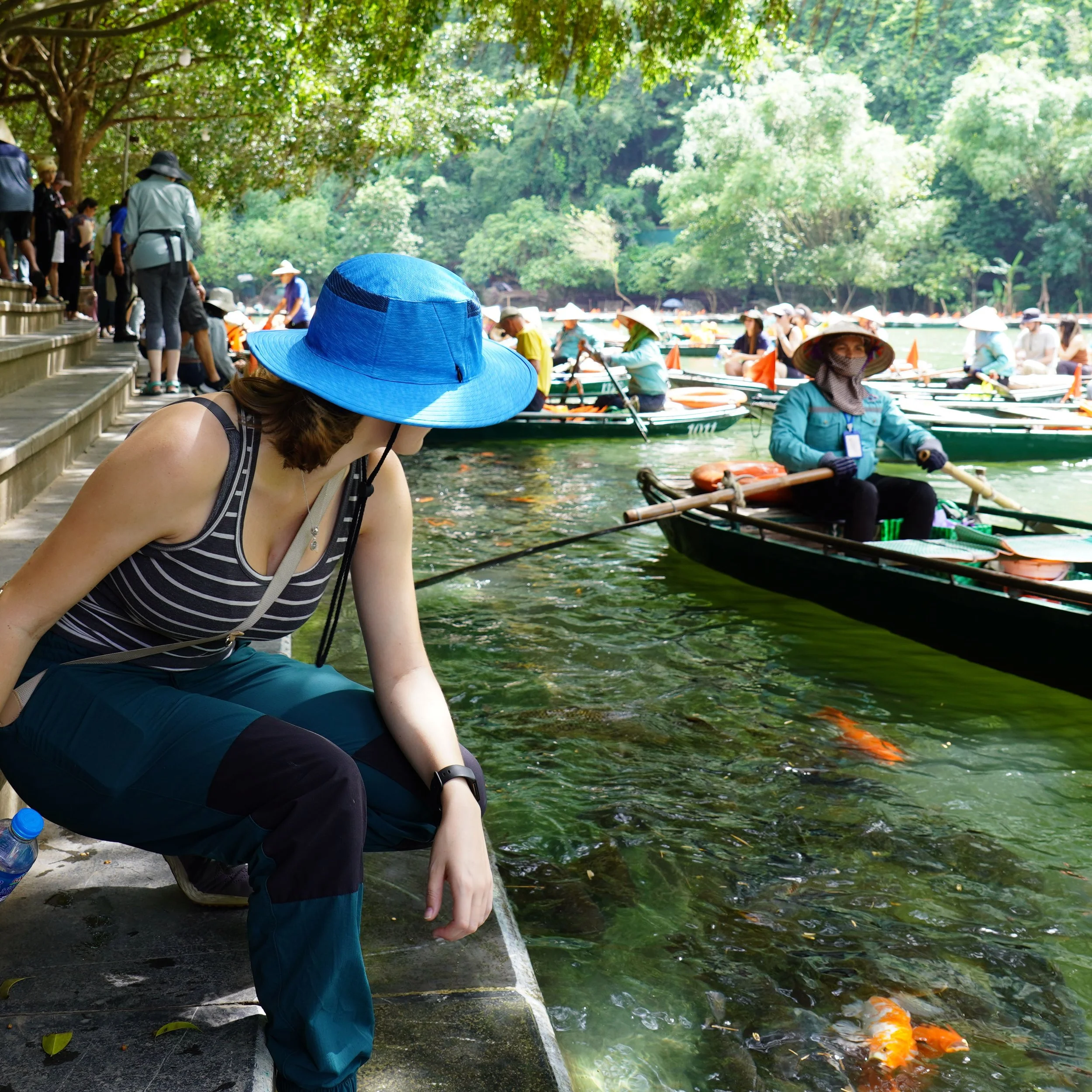
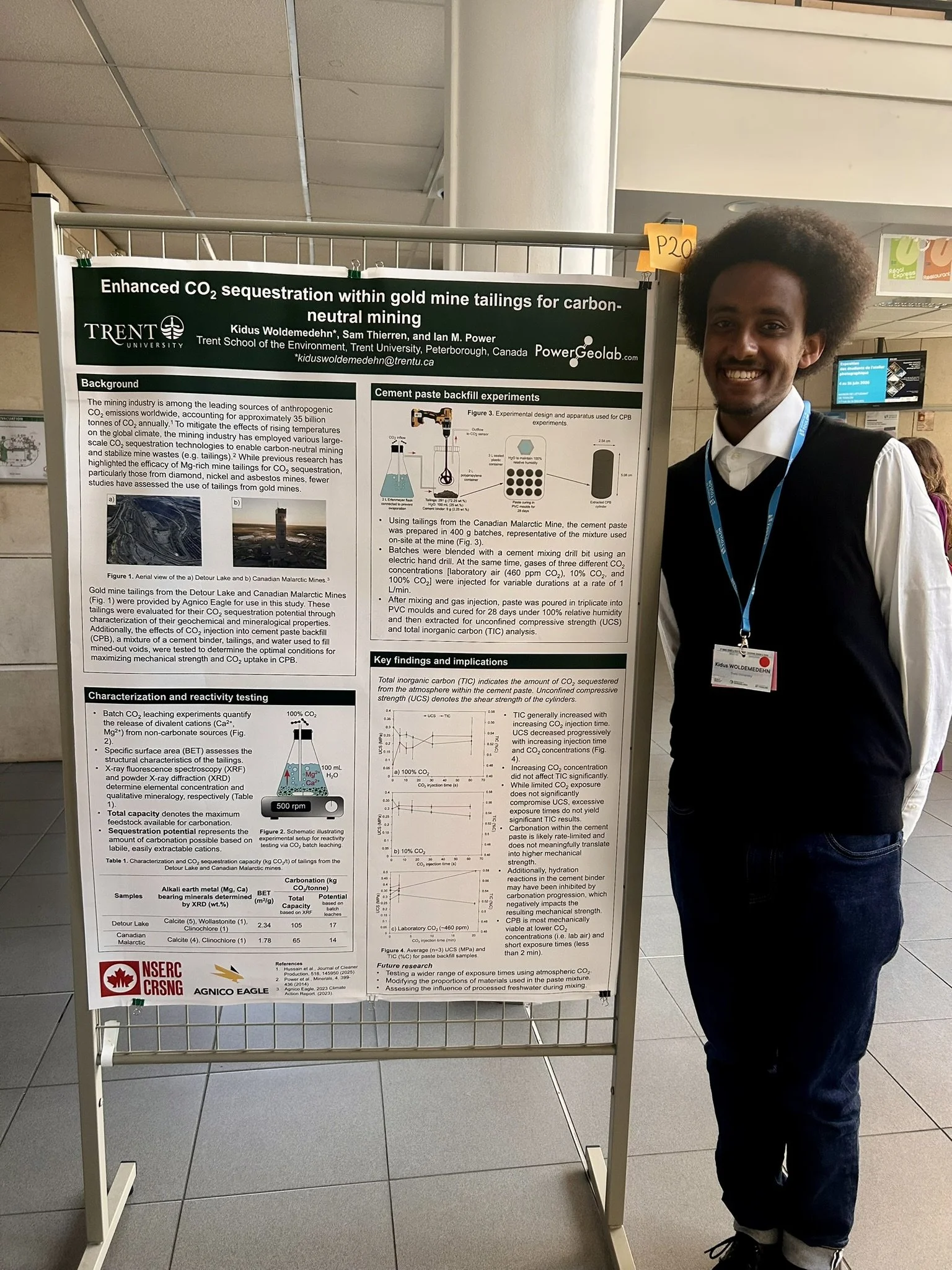
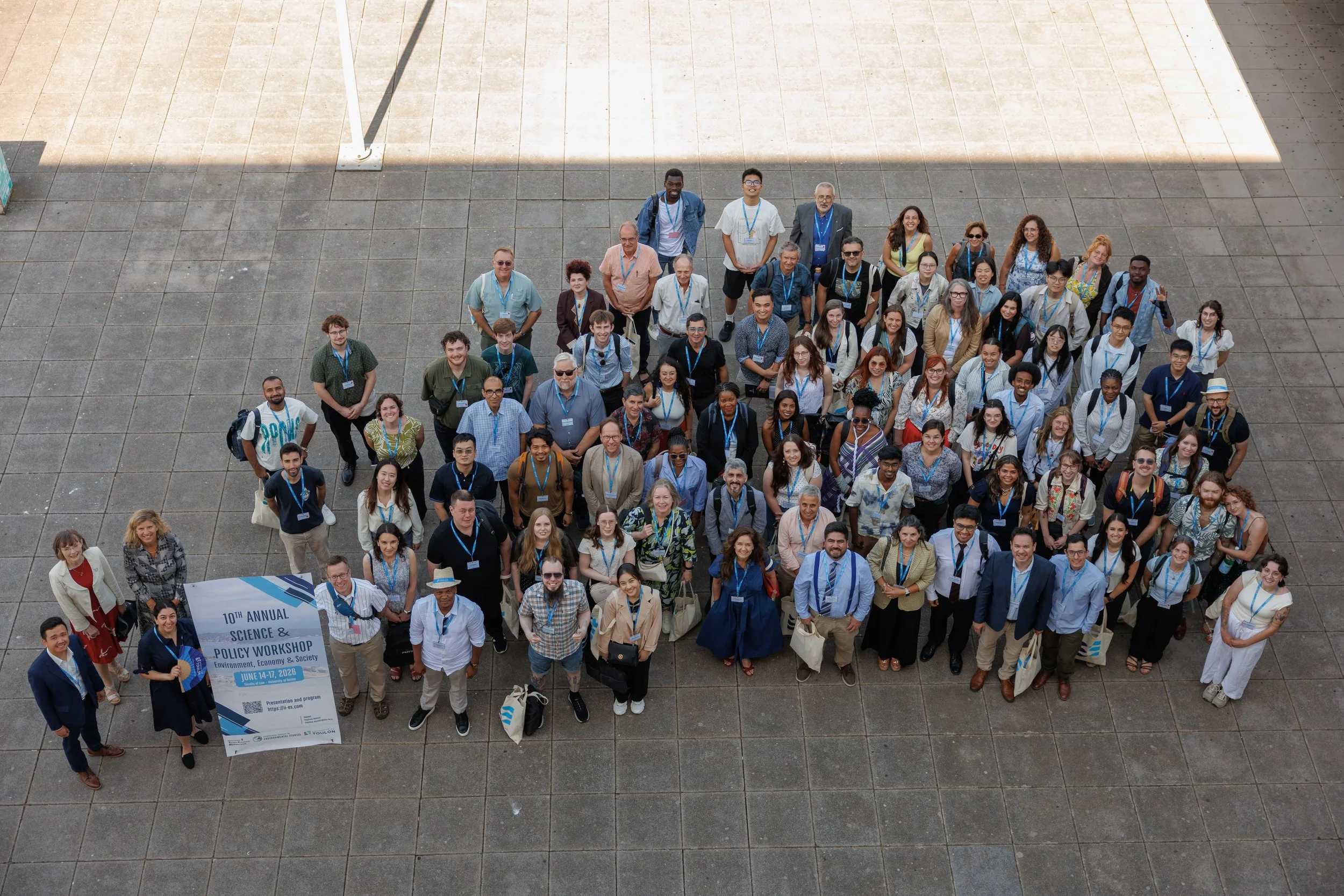
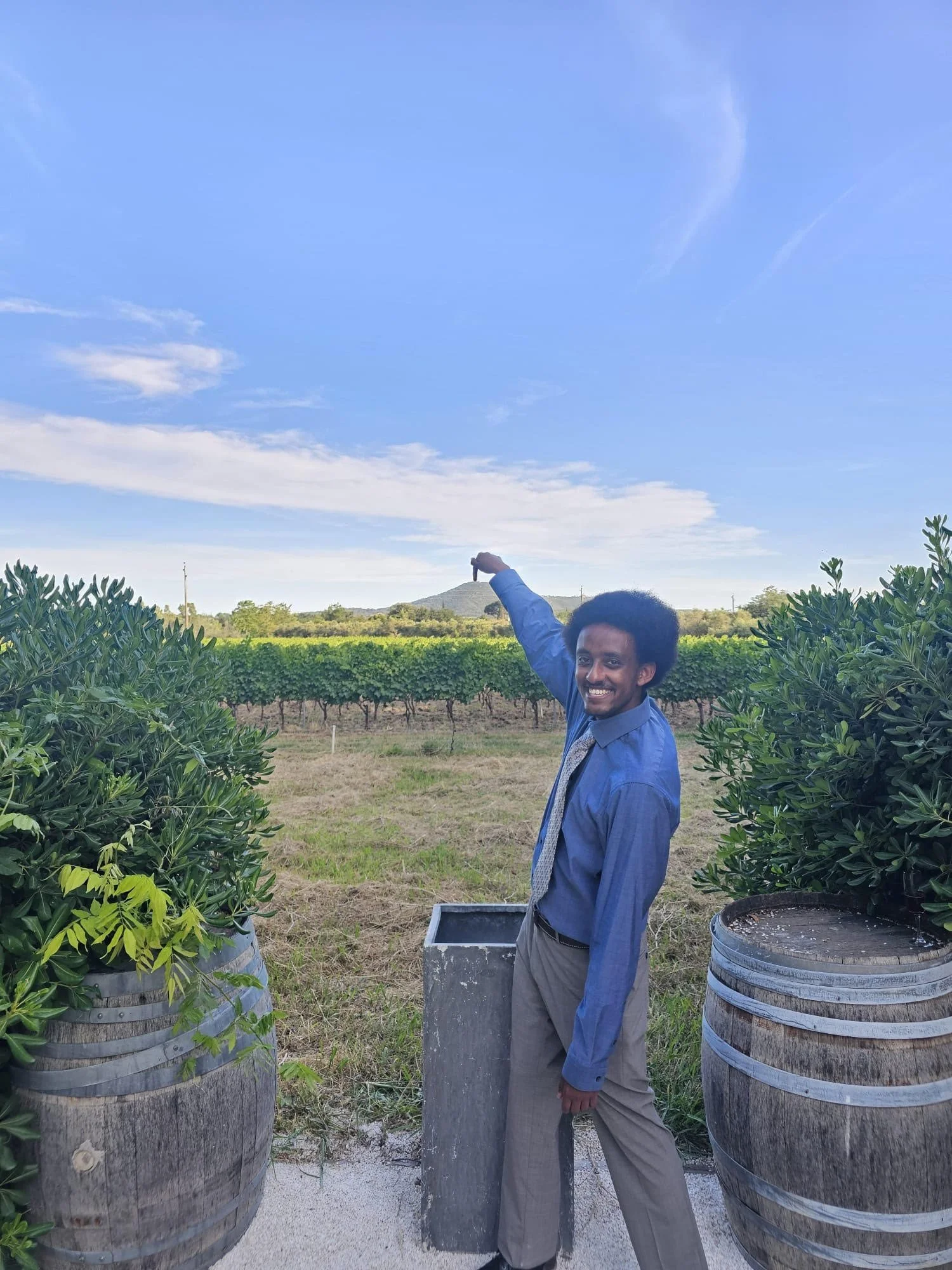
Last month, I had the incredible opportunity to attend the annual International Institute for Environmental Studies (IIES) Science & Policy Workshop and the International Graduate Student Forum, both hosted in France. During the workshop at the University of Toulon, I presented a poster on my MSc research, which focuses on utilizing gold mine waste for CO2 sequestration. I also got to attend presentations by many talented researchers from around the world on a wide range of topics, from water management and food safety to conservation biology and nanochemistry.

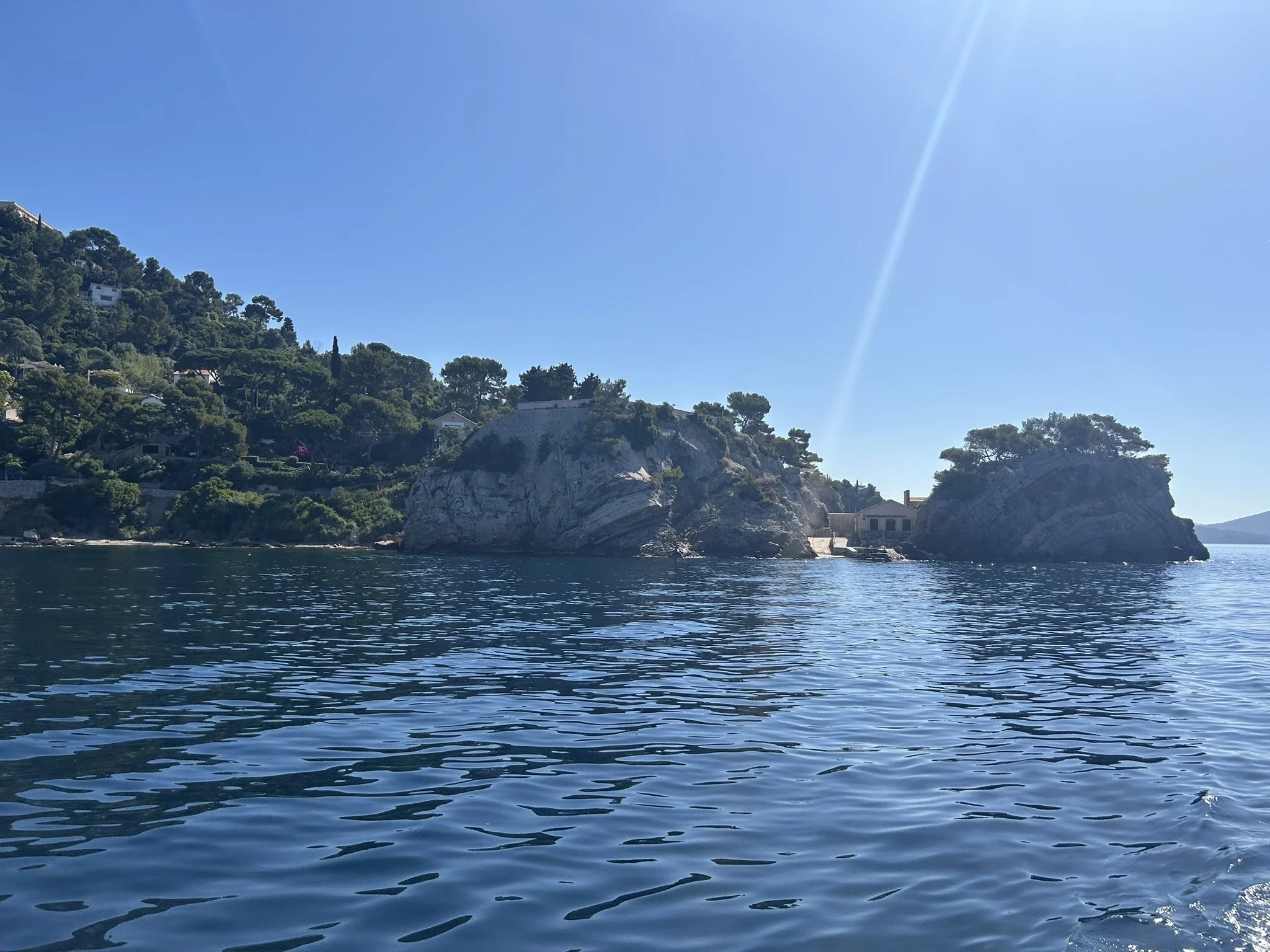
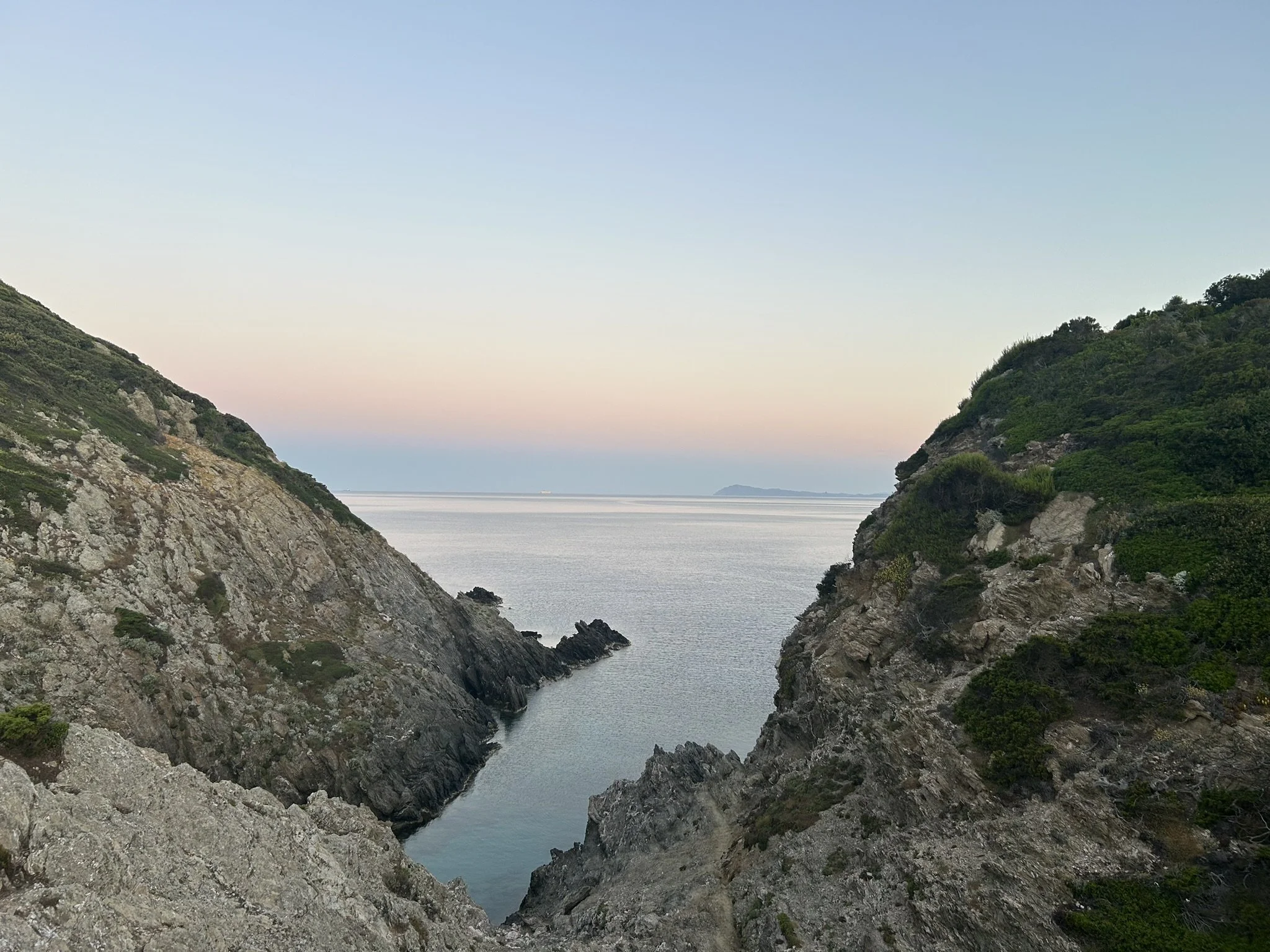
The theme for this year's student forum was encouraging sustainable practices on small islands, with a focus on the island on which the forum was held (Île de Porquerolles). Having the chance to solve problems in the local community through collaboration and teamwork was an eye-opening experience.

Both the workshop and the forum were truly unforgettable. I am so grateful to have had the opportunity to experience fresh perspectives, engage with innovative research, and make new connections with both students and professors from across the globe. I left the conference with an even greater appreciation for and passion for environmental science, and I will always remember the many lessons I learned from this experience.

Project undERWood

Our Haliburton Forest ERW trial continues, aka Project undERWood!

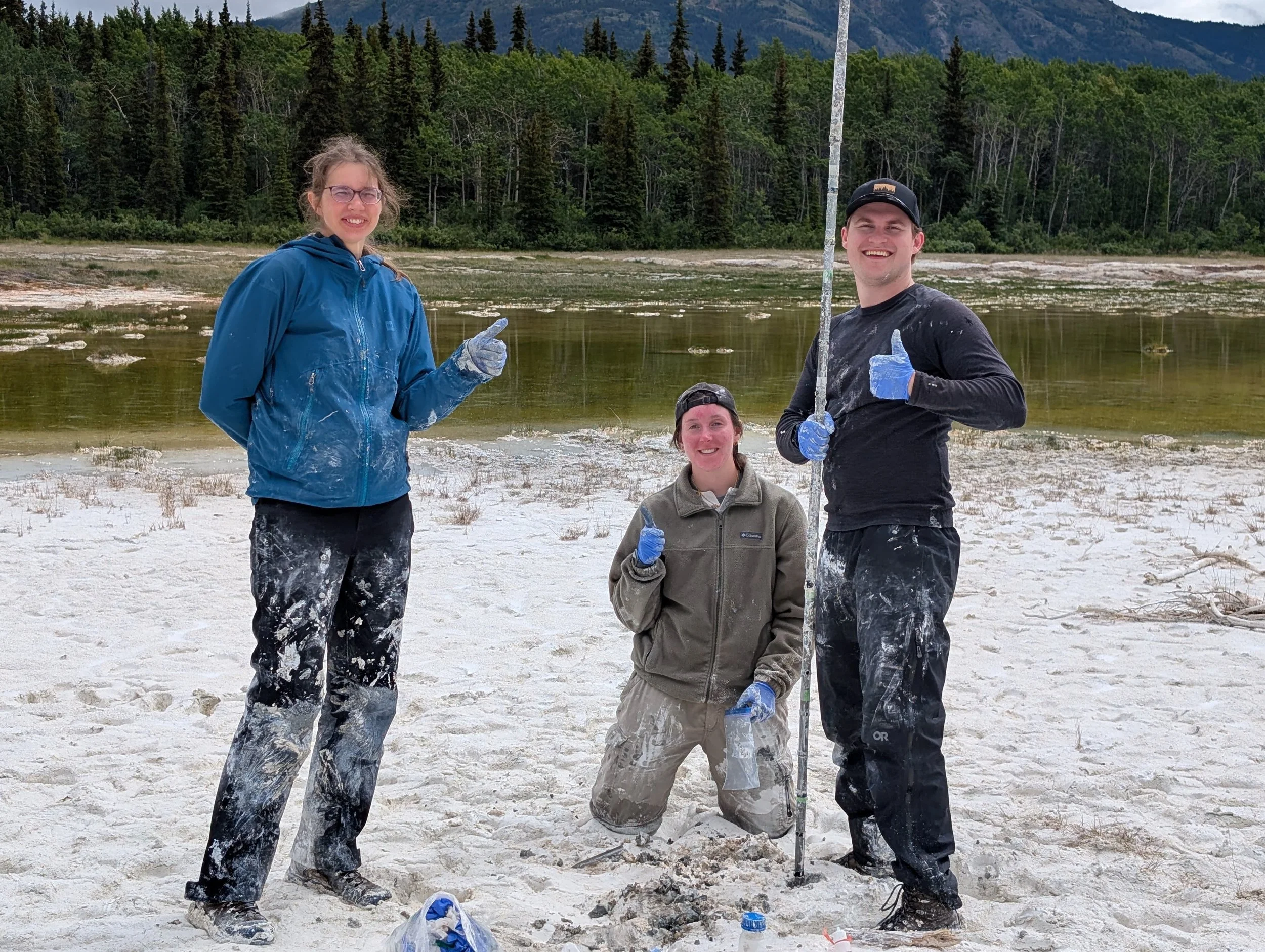
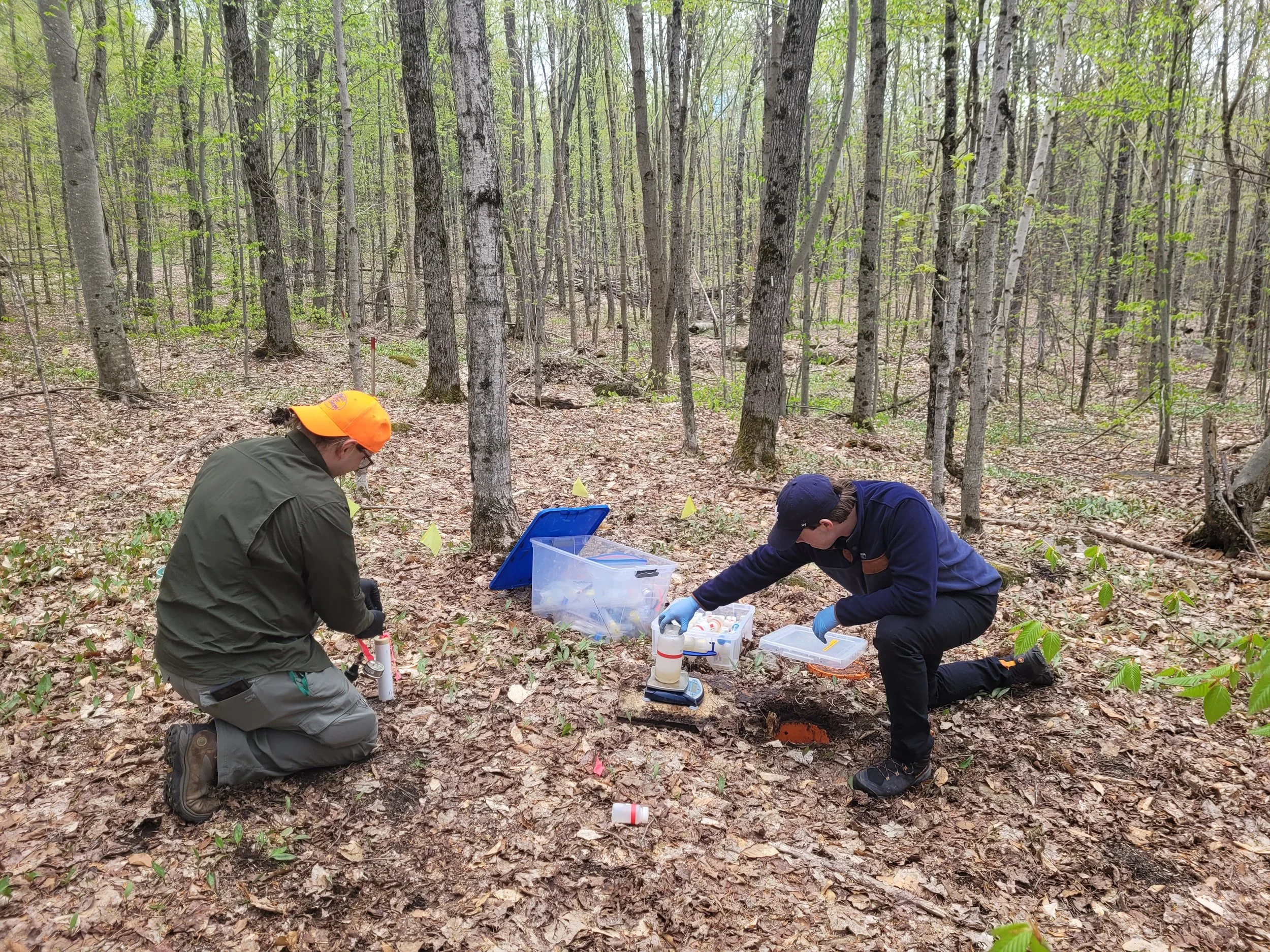
At PowerGeolab, postdoctoral researcher Minger Guo and the PowerGeolab team are continuing their long-term field monitoring at Haliburton Forest in Ontario, tracking water chemistry as part of ongoing efforts to assess the carbon dioxide removal (CDR) potential of enhanced rock weathering (ERW) using wollastonite in managed forests. Pictured in the field are Larissa, Victor, and Will, busy sampling water from tension lysimeters as the team monitors how wollastonite application influences forest soil and water chemistry over time. We look forward to sharing more results as the monitoring continues!


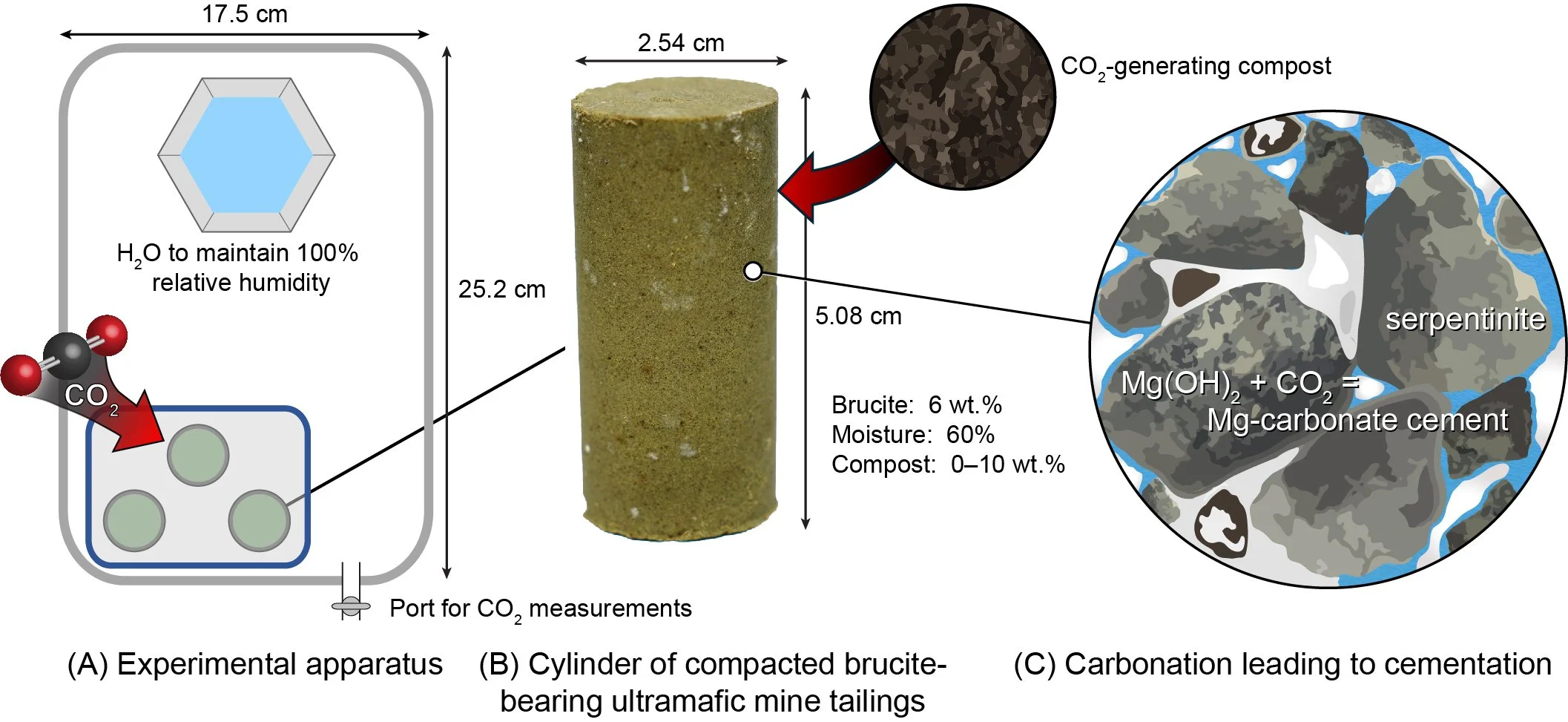
New publication on CO2 mineralization of brucite-bearing mine tailings

Brucite carbonation in cylinders used for testing unconfined compressive strength.

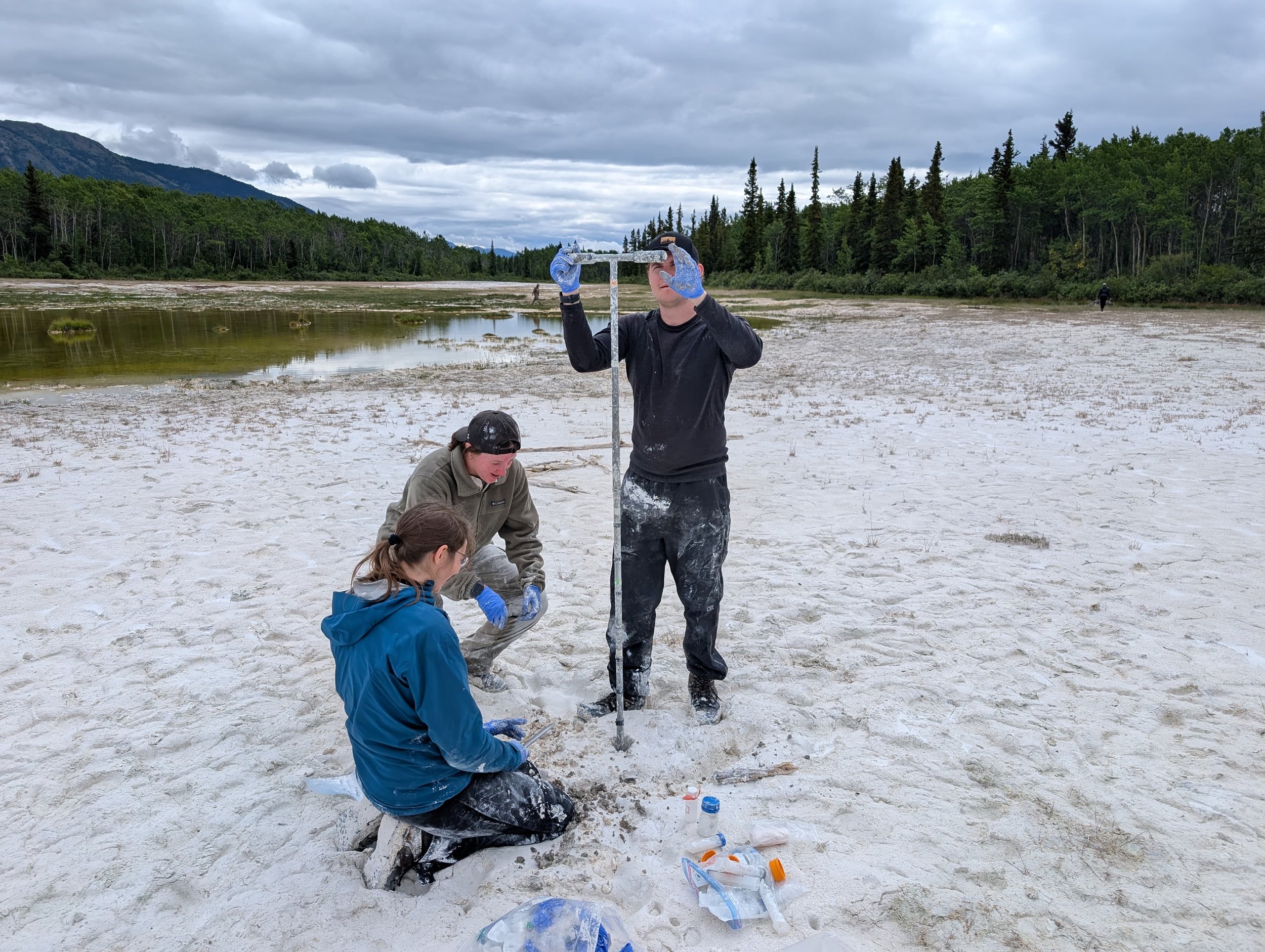
Excited about a new publication led by master’s student Justin Lockhart!  Here, we show how coupling organic and inorganic carbon cycling accelerates the carbonation of brucite in mine tailings by nearly an order of magnitude by providing an additional source of CO2. This work is a proof-of-concept for incorporating CO2 sequestration into mine closure and remediation, and for the potential to convert closed mines into CO2 sequestration sites.

Enhanced Weathering with Agriculture for Atmospheric Carbon Dioxide Removal

Last week, Minger attended the discussion meeting Enhanced Weathering with Agriculture for Atmospheric Carbon Dioxide Removal in London, UK. Many thanks to the organizers for hosting such an inspiring event! Minger was exciting to learn about the most recent ERW research and to hear a wide range of perspectives. She was especially exciting to see the growing number of forest-based ERW studies. Minger presented a poster titled Quantifying Carbon Dioxide Removal by Enhanced Rock Weathering of Wollastonite at Haliburton Forest, Ontario, Canada, where she shared our latest one-year monitoring results from our field trial in Haliburton Forest. She is always happy to chat more if you’re interested in our work!

New publication by Lance Dostie

Relationships between carbonation rate (wt.% CaCO3/h) and carbonation extent (wt.% CaCO3) across different CO2 concentrations are based on the reaction of (a) CaO and (b) Ca(OH)2 in the variable CO2 concentration experiment.

Lance, Kwon, and I have published a second manuscript in the Journal of Cleaner Production on CaO looping for CO2 removal. This study details three experiments that investigated the balance between CO2 removal and CO2 supply. We also quantified CO2 removal rates at and below atmospheric CO2 concentrations, which can occurring when CO2 supply is insufficient. Congratulations Lance on an outstanding paper!

New publication by Minger Guo!

Incorporating enhanced rock weathering into sustainable forest management

In this study, postdoctoral fellow Minger Guo examines the great potential of CO2 removal (CDR) through incorporating enhanced rock weathering (ERW) into managed. With an application trial in Haliburton Forest in Ontario, Canada, we assessed the amendment and dosage heterogeneity that arises during application and its impact on accurately quantifying CDR in forests. Thanks to our collaborators at Haliburton Forest & Wild Life Reserve and the University of Alberta. Special thanks to Canadian Wollastonite for supplying the amendment. This paper was published in the Journal of Environmental Management.

Trail with tarps to capture rock powder at Haliburton Forest, Ontario, Canada.

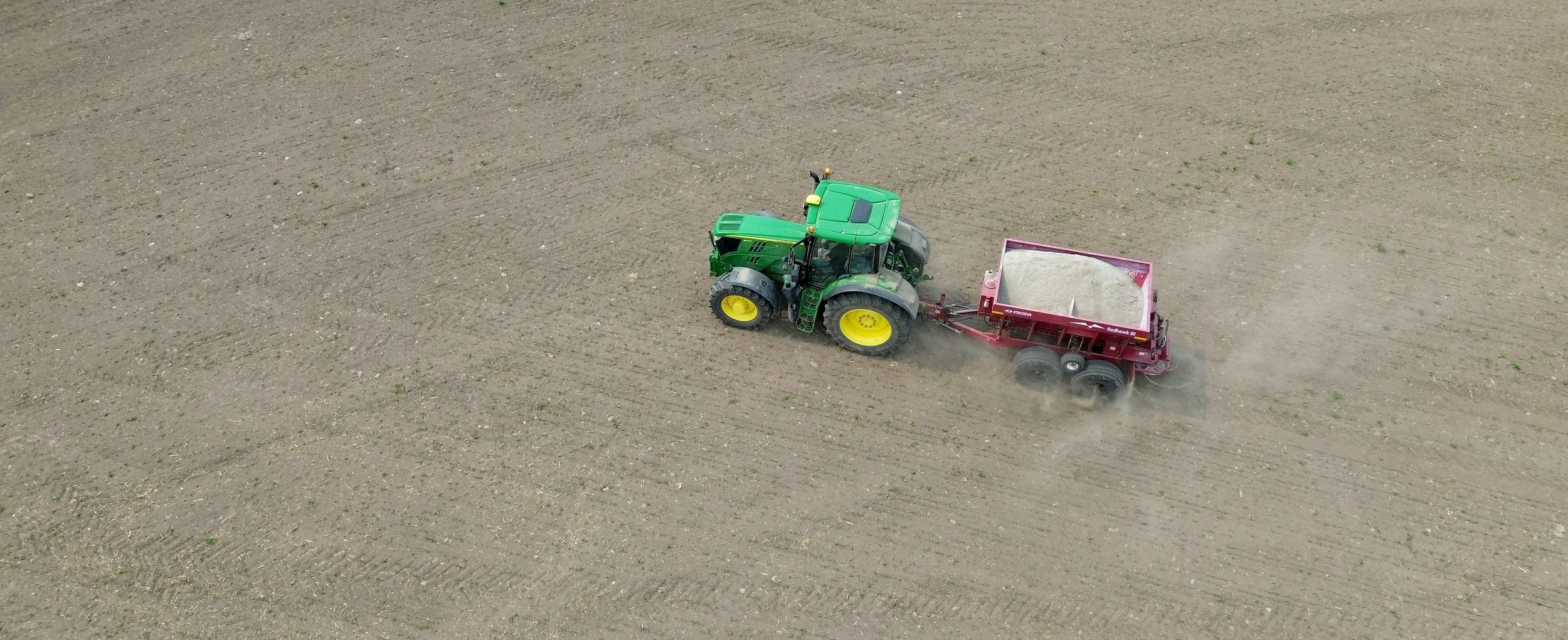
Spreader applying wollastonite-rich rock powder to a section of forest.

Transects of tarps and trays along a trail at Haliburton Forest, Ontario, Canada. This trial assessed the dosage heterogeneity that arises during application of rock powder in a forest, which as implications for CO2 removal quantification.

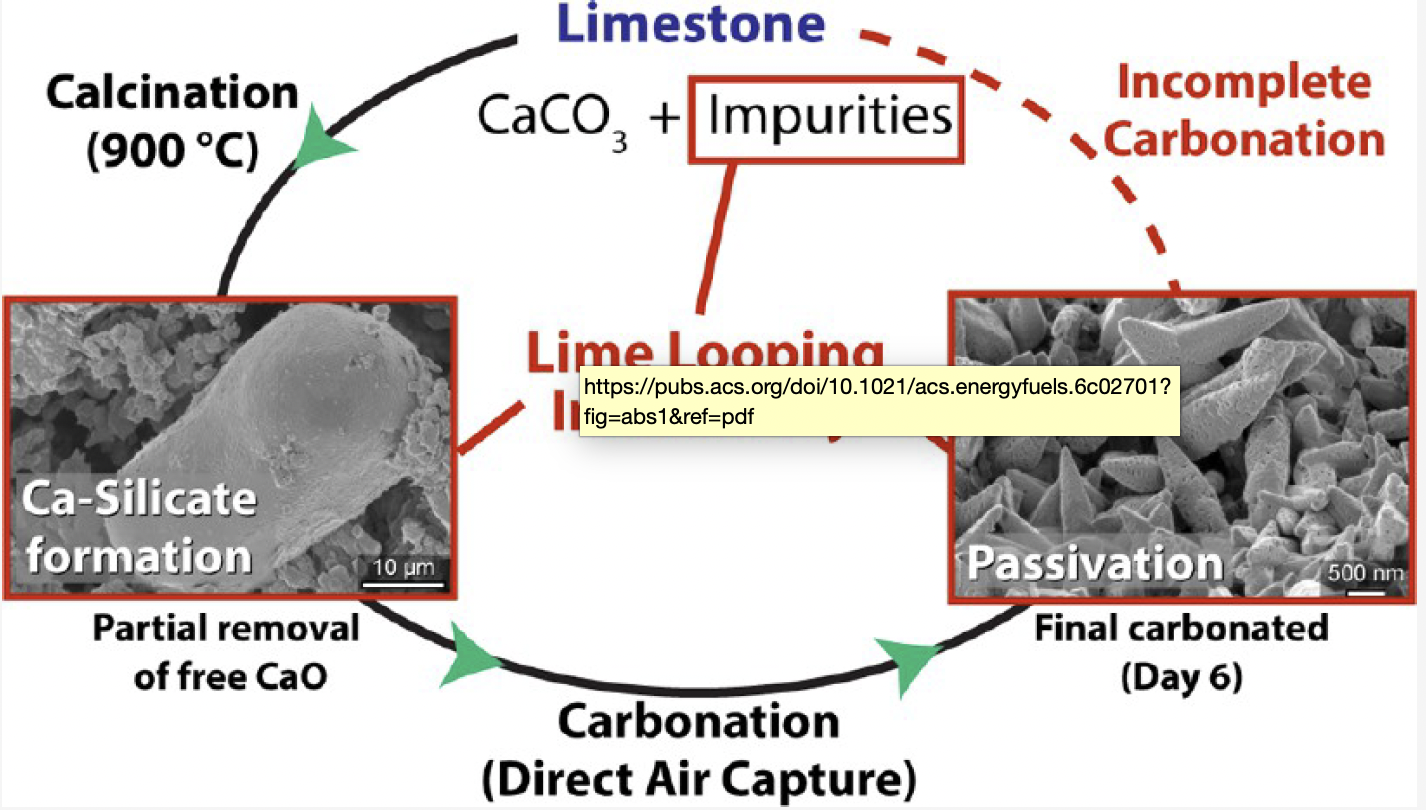
Understanding geochemical influences on lime looping efficiency

Lime looping is a direct air capture (DAC) technology involving the repeated use of calcined limestone/lime (CaO) to absorb CO2 from the atmosphere. Owing to the highly reactive nature of CaO and its hydrated product, portlandite [Ca(OH)2], these minerals are ideal candidates for rapid carbonation and offer large-scale CO2 removal potential. However, in spite of their fast reaction rates, the route to complete carbonation is often hindered by several factors that can greatly limit process efficiency. Shaheen Akhtar, a postdoctoral researcher in PowerGeolab, is carrying out experiments using calcined limestone to identify and assess these limitations. The research revolves around quantifying rates and extents of carbonation under set variables and providing insights into underlying reactions, supported by scanning electron microscopy. The goal of the study is to highlight geochemical perspectives that can provide motives for further spiking efficiency of existing CO2 removal technologies and ultimately take part in decelerating climate change.

Batch experiments inside a ThermoScientific Forma 3940 Environmental Chamber.

Portlandite reacting with atmospheric CO2 to form calcium carbonate.